
Lymphatic Drainage Massage
Lymphatic Drainage Massage is a gentle method of supporting your body’s natural rhythm. This techniques promotes the flow of lymph, a clear watery fluid that carries oxygen and nutrients to tissues and moves excess fluid built up throughout the body.
Fluid build-up or swelling has a way of creeping into our lives. You might notice it after sitting too long, after travel, or following an injury or medical treatment. You wake up feeling heavy, tight, uncomfortable, and it sticks around longer than it should. That is where lymphatic drainage massage can help.
How Lymphatic Drainage Massage Can Help
- Reduce inflammation and fluid retention in the affected area
- Encourage healthy lymph flow and circulation
- Support immune function and recovery
- Feel lighter and less restricted in movement
- Improve comfort after long periods of sitting or travel
- Reduce swelling linked to injury or post-surgical recovery
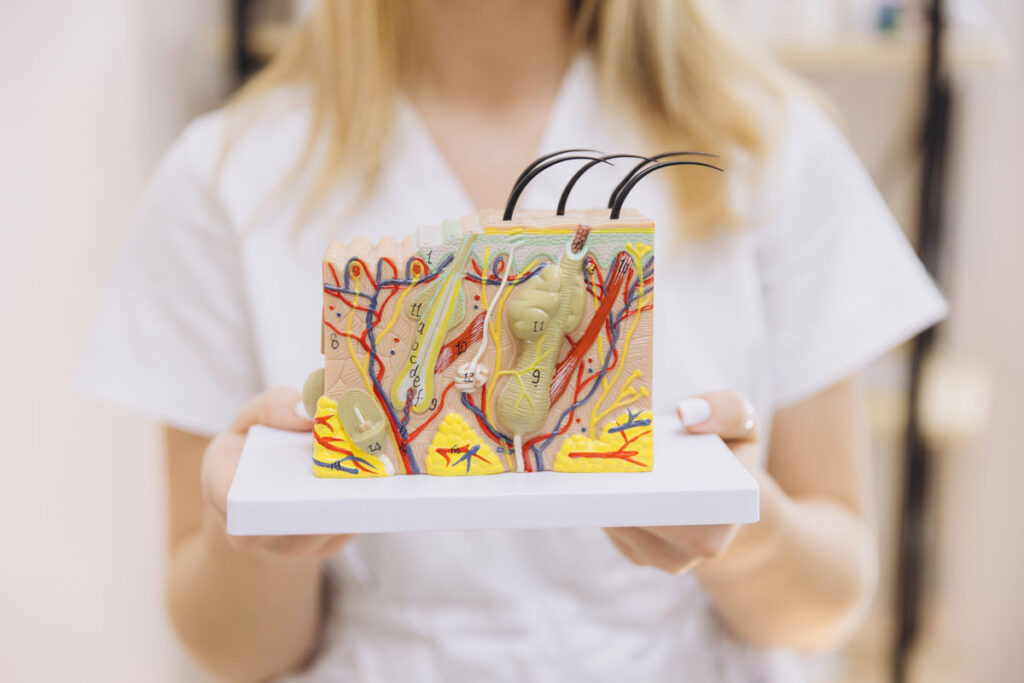
How the Lymphatic System Works
Most people don’t think about their lymphatic system until something feels off, but it plays a crucial role in how your body manages fluid, waste, and immune function.
Unlike blood flow, which the heart pumps, lymph flow relies on movement, breathing, and muscle activity. When things slow down, fluid can build up in certain parts of the body, resulting in swelling and discomfort.
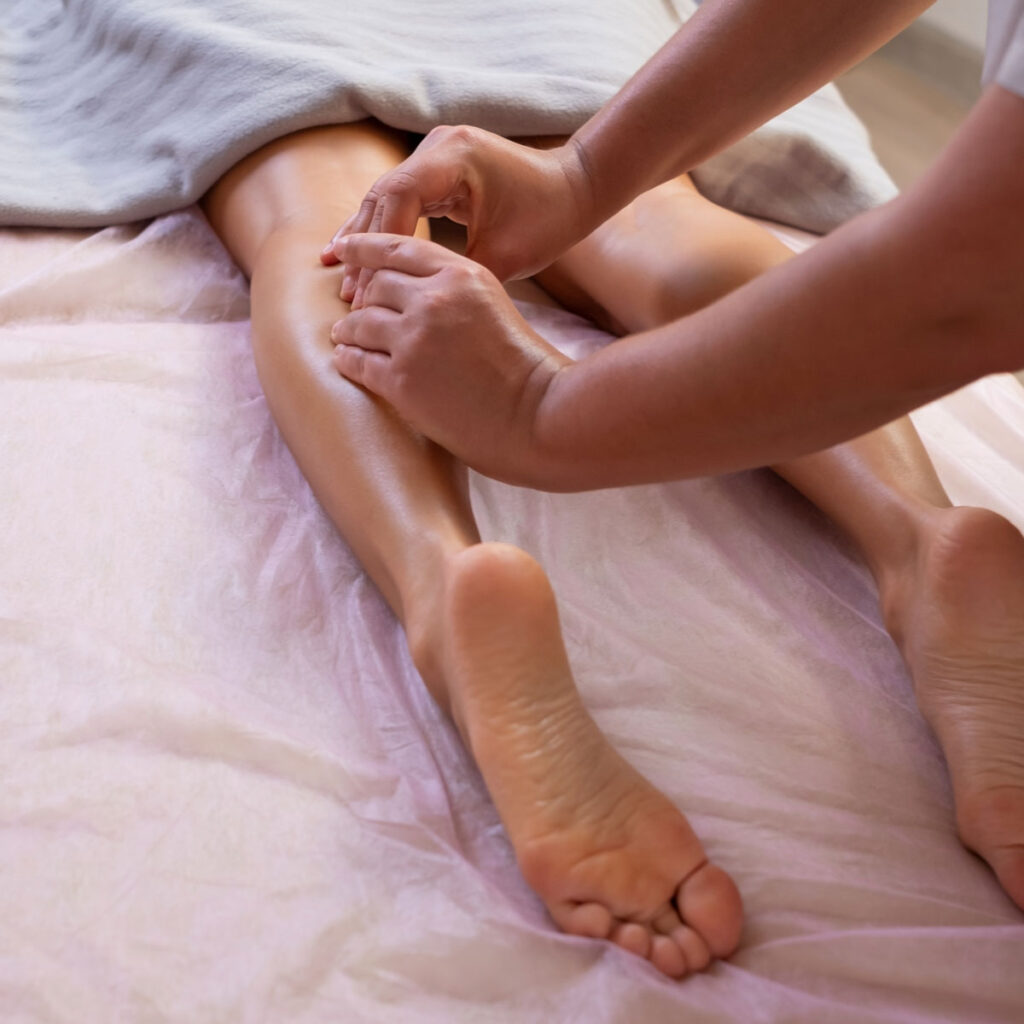
Lymphatic drainage massage works by gently stimulating lymph nodes and guiding fluid through the correct pathways. Rather than a more aggressive pressure, practitioners use gentle, consistent, and intentional movement that supports your body’s natural processes.
Is Lymphatic Drainage Massage For Me?
A build-up of lymph can result from a myriad of conditions. Any of the conditions or symptoms below may see benefits from this treatment:
Lymphedema or Lipedema
Arthritis
Traumatic or Repetitive Strain Injuries
Post-Surgical Swelling
Mastitis or Blocked Breast Ducts
What to Expect During Your First Session
Lymphatic drainage treatment isn’t a rushed, one-size-fits-all appointment. It’s a slower process, and that’s intentional.

Start with a Conversation
We look at where swelling is happening, how long it’s been there, and what seems to make it better or worse.
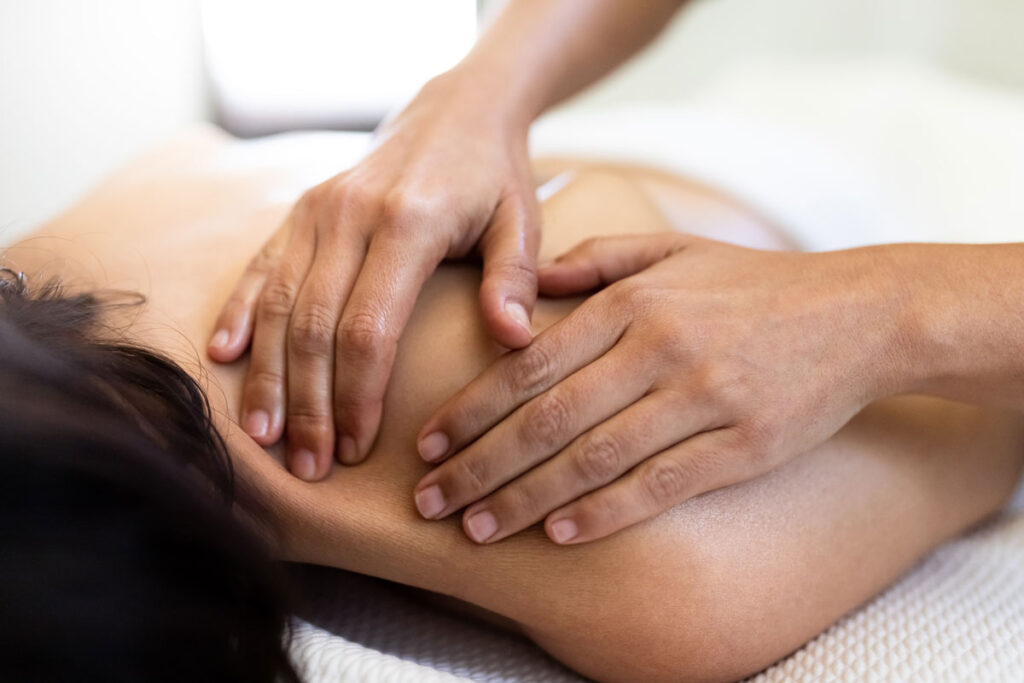
Hands-On Treatment
Treatment uses slow, rhythmic movements with light pressure. It may feel subtle at first, but it’s designed to guide fluid along proper lymphatic pathways.

After the Session
Some people notice changes right away. Others feel it over the next 24 hours. You might feel lighter, less tight, or simply more comfortable moving around.

Post-Treatment Guidelines
After your lymphatic drainage session, hydration matters. Drinking water after your session helps support the process.
What Your Treatment Plan May Include
Treatment is always tailored to your unique situation. How a treatment plan looks will depend on where are experiencing symptoms, how your body responds treatment, and what your comfort level is. Some of the most common approaches include:
Lymphatic Drainage Massage
Focused sessions using rhythmic movements to encourage lymph flow and reduce excess fluid.
Circulation Support
Techniques that improve blood flow without overwhelming the system.
Movement Guidance
Simple changes to help your body keep fluid moving between sessions.
Recovery Strategies
Small adjustments to reduce fluid build-up during long periods of sitting or travel.
Why Choose Us for Lymphatic Drainage Massage
Here is what makes our clinic an excellent choice for lymphatic drainage massage:
Thoughtful Approach
Every session is adjusted based on how your body responds that day.
Skilled Hands
Experience matters with this technique. Subtle changes in pressure and direction make a difference.
Focus on Real Results
The goal isn’t just temporary relief. Our goal is to help your body manage fluid more effectively over time.
Comfortable Environment
The pace of your treatment stays calm, steady, and focused on what your body needs.
Frequently Asked Questions
Feel Lighter and Move Better
If you’ve been dealing with swelling, fluid retention, or that heavy, uncomfortable feeling, your body may need a bit of support. Lymphatic drainage can help get things moving again so you can feel more comfortable day to day. Book your first session with InSync Physio.