
Pelvic Floor Physiotherapy
Pelvic floor physiotherapy can help you feel strong, supported, and ready to return to the things you love.
If you’re dealing with bladder or bowel changes, pelvic pain, pregnancy or postpartum concerns, or discomfort that interrupts daily life, pelvic floor physiotherapy offers a gentle yet effective path forward. With a skilled practitioner, learn how your pelvic floor works, reconnect with your core, and discover how to move with greater ease and confidence. Feel empowered and supported with a treatment plan tailored to your specific goals.
What Is The Pelvic Floor?
Your pelvic floor refers to the muscles that support your bladder, uterus, and bowels. When these muscles are weak, overactive, or uncoordinated, you may experience symptoms such as pain, tension, weakness, or changes in bladder or bowel habits. These concerns are common and very treatable. The goal of pelvic floor physiotherapy is to help you to understand, feel supported, and build confidence in your body.
Conditions We Treat
Pelvic health concerns can show up at any stage of life. They may begin suddenly or build slowly over time. Here are some of the most common reasons people seek pelvic floor physiotherapy:
Pregnancy & Postpartum
Pelvic pain, abdominal separation, discomfort from C-section or perineal scars, and support for postpartum recovery.
Bladder Health
Stress or urge incontinence, urinary urgency or frequency, and bladder pain.
Bowel Health
Constipation, straining, or difficulty controlling bowel movements.
Breast Health
Mastitis or blocked ducts, post-mastectomy and lumpectomy, breast augmentation and reduction surgery care.
Pelvic Pain & Sexual Health
Pain during intercourse, vaginismus, vulvodynia, endometriosis-related pain, and tailbone pain.
Perimenopause & Menopause
Pelvic floor tension or weakness, dryness, discomfort, and bladder or bowel changes.
Pelvic Organ Prolapse
A feeling of heaviness or pressure in the pelvis, or a sense of bulging.
What to Expect at Your First Visit
Your first appointment is a chance to tell your story in a comfortable, supportive environment.

Let’s Talk
We start with a conversation about your symptoms, health history, and what you hope to achieve. Every detail helps us understand how your body is working and what may be contributing to your symptoms.

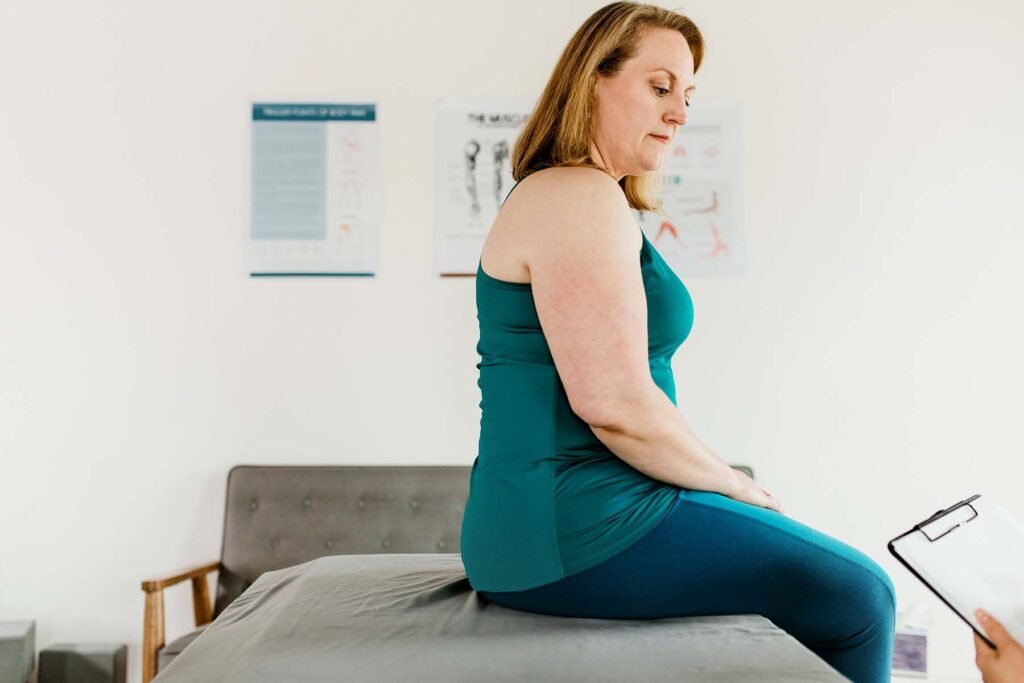
Assess Where You’re At
A pelvic floor physiotherapist will complete a physical assessment. This may include a gentle movement screen to look at posture, breathing, core engagement, and how your hips, lower back, and pelvis work together.
Pelvic Floor Exam
If appropriate, and only with your full consent, we may recommend an external or internal pelvic floor exam. This can give valuable insight into how the muscles contract, relax, and coordinate.
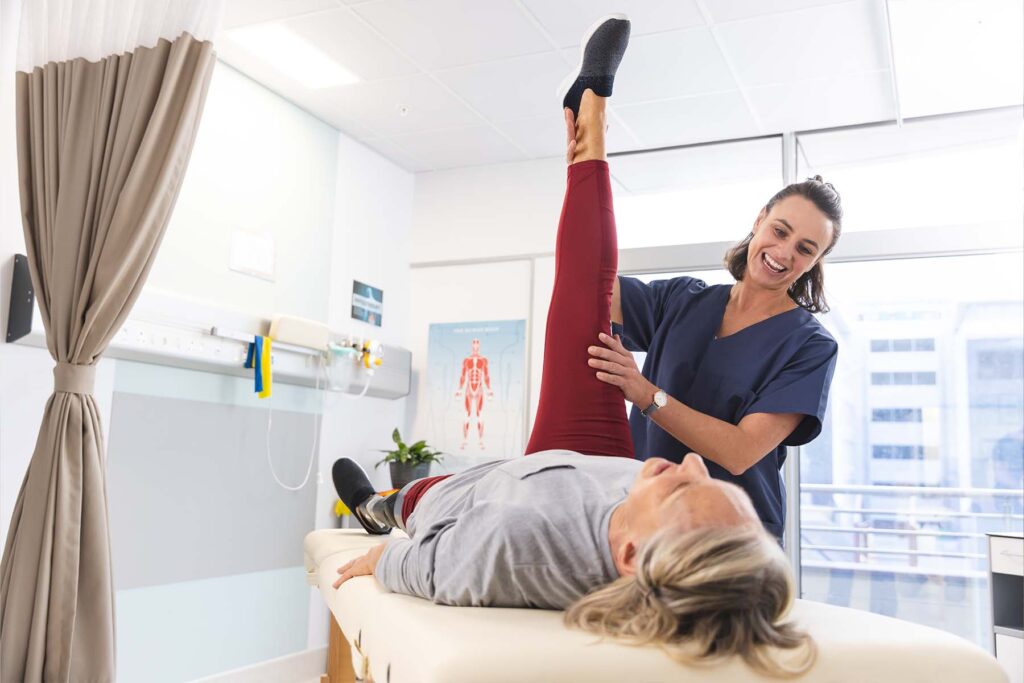
Introduction to Your Baseline
Receive clear education on how your pelvic floor is currently performing so you understand what’s happening and why. You’ll also receive simple exercises or strategies to start at home right away, alongside guidance on how to take things further at our clinic.
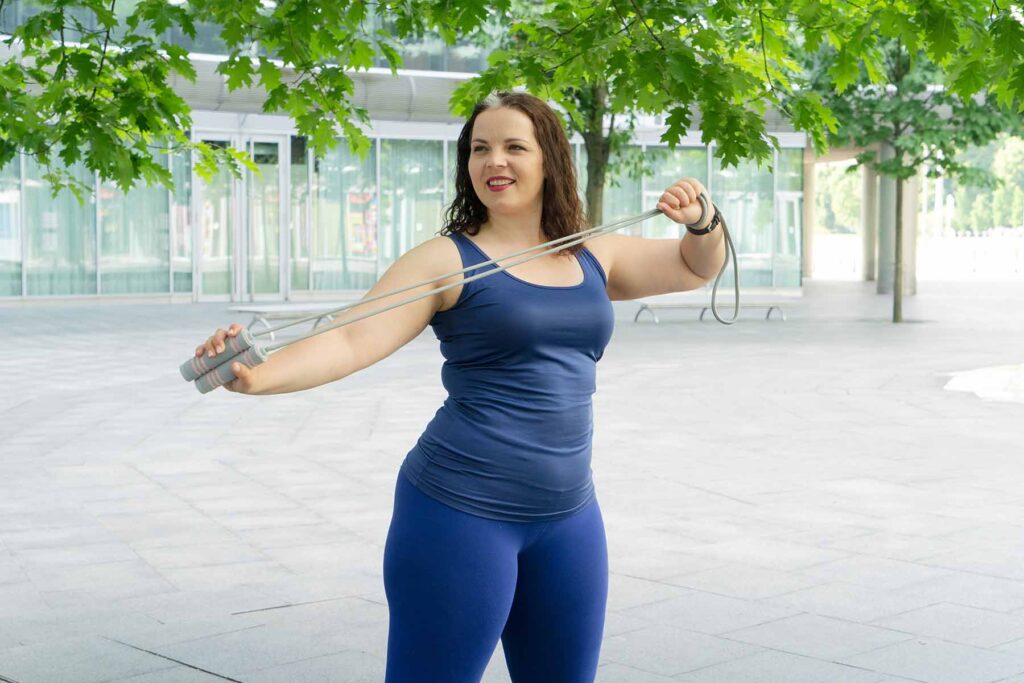
Start Your Plan
Together, we will build a pelvic floor physiotherapy plan that feels realistic, supportive, and aligned with your goals.
What Your Pelvic Floor Physiotherapy Treatment Might Look Like
Pelvic floor physiotherapy looks different for everyone because every body and every experience is unique! Your treatment plan will reflect your goals, lifestyle, and comfort level.
Here are some of the approaches that may be included in your sessions:
Pelvic Floor Rehabilitation
Learning to coordinate, relax, or strengthen your pelvic floor muscles for better function.
Gentle Manual Therapy
Soft tissue and joint techniques to ease tension and restore mobility through the pelvis, hips, abdomen, or low back.
Other components may include:
Education & Awareness
Understanding how posture, breathing, stress, and daily habits can influence symptoms. This knowledge helps you take back control.
Breath & Core Connection
Rebuilding your core from the inside out by linking breath, rib movement, and pelvic floor activation.
Movement & Exercise
Targeted exercises designed to support strength, mobility, and confidence in your everyday activities.
Bladder & Bowel Coaching
Strategies that help reduce urgency, leakage, constipation, or straining.
Surgical Scar Care
Gentle techniques to address C-section, perineal, or breast tissue scarring.
Lifestyle Support
Simple adjustments you can use at home to feel more balanced in your day-to-day routine.
Why Choose Us for Pelvic Floor Physiotherapy
Choosing the right clinic makes a real difference in your care. Here’s what sets our team apart:
Personalized Care
Your body, goals, and experience guide every step of your treatment. We listen closely and design a plan that fits your life.
Comprehensive Approach
We combine hands-on treatment, education, movement, and real-time feedback to help you understand and improve pelvic floor function.
Expert Guidance
Our therapists have advanced training in pelvic health and stay current with the latest research. You receive care that is thoughtful, informed, and grounded in best practice.
Comfort-Focused Environment
We understand that pelvic health can feel emotional or vulnerable. We create a calm, respectful space where you’re always in control of your care.
Frequently Asked Questions
Let’s Get You Feeling in Control Again
Our team at Insync Physio is here to help you move better, feel stronger, and reconnect with your body. Book an appointment today and start your path toward better pelvic health.